
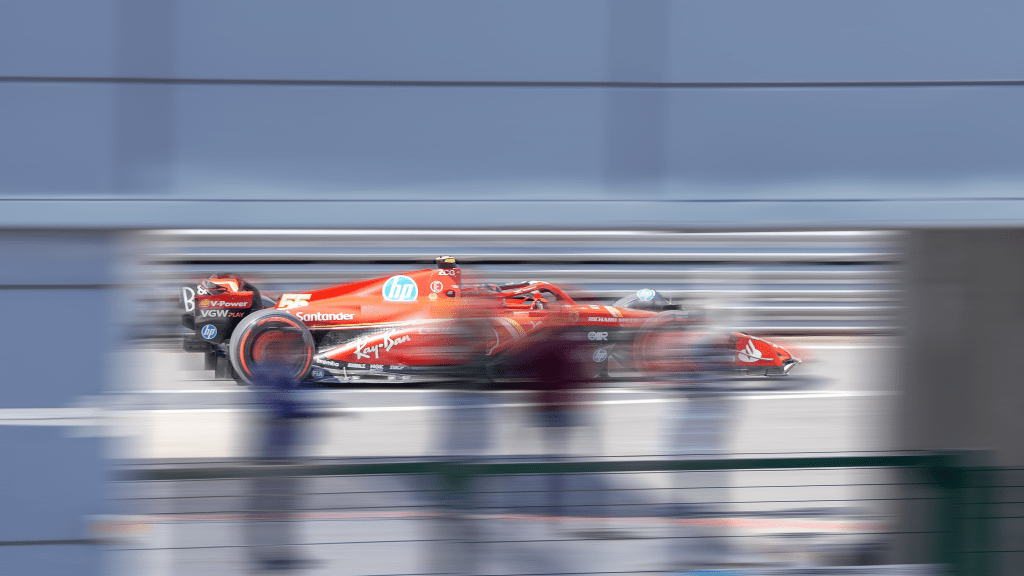
The race is not won on Sundays
From qualifying deltas to pit stop degradation every Grand Prix weekend produces vast, unforgiving data sets. Each team deploys analysts across the sport’s most critical functions, all working relentlessly to extract marginal gains, where a single millisecond can define an entire session. This is why the races are won just as much in simulations or in spreadsheets as they are on track and a driver is only as good as the team behind them.
James Vowles once described Data as the foundation of F1 and it’s no wonder so many people chase the opportunity to lay the brick work of an F1 car. Data Analysis is genuinely thrilling, particularly the moment when the code runs cleanly, and the conclusions finally settle. It is also a world of permanently strained backs, questionable posture, and an unhealthy dependence on coffee. And yet, for those who enjoy the satisfaction of finding the answer in numbers, there are few places more exciting.

Image courtesy of BBC / iChef
I guess this is the part where I introduce myself. I’m Charlotte – a graduate with a degree in Neuroscience and currently working in Operations. I have always found comfort in numbers and processes. When life around is so hectic – numbers never change. Although I had the chance to continue down the scientific path, I felt myself drifting back to the reliable formulas. And recently something in the back of my mind has been telling me to embrace this. Oh and did I mention, I like F1?
My introduction to F1 started when I watched Drive to Survive back in 2023 .I now love the sport and gladly wake up at 6am and earlier to see cars drive in circles for just over an hour. I have two Lego F1 cars for McLaren and Williams and can still hear the cars racing around the track from my visit to Silverstone in 2025.
Somewhere between endless F1 replays, I realised the impact data has on not only races but in real world situations. I would see the analysts at the pitwall and think – that’s what I want to do. So I did Python courses on codeacademy, learnt SQL and paid for endless subscriptions. But what I realised when I was doing my humpteenth course in Python – knowing the code is one thing but being able to apply it? Bigger ball game.
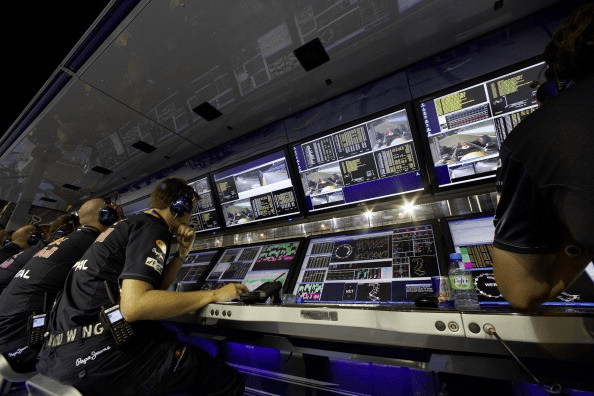
Image courtesy of LinkedIn / Aseem Shah
After a few more courses in deliberation, I finally settled on what I was going to do. In comes – RookieOnTheGrid. This blog will essentially be my portfolio. You will see Python, SQL, Tableau and more – throughout. I will be asking questions like ‘What does the grid really tell us?’ and using my expanding knowledge of coding to write the queries then paint the picture the results give. Rookie On The Grid will be me essentially learning in realtime. You have the chance to nit pick every mistake I make and sometimes even tell me my results are null and void. You guys will be the Jos to my Max, except maybe let’s maybe keep the fork out of it.
My goal? To be able to confidently say I can analyse data with a range of different coding languages. And one day, use this blog as a portfolio when applying to jobs. However – the goal in my dreams? Step into an F1 paddock as a data analyst. We got a long way to go!
 Rookie On The Grid